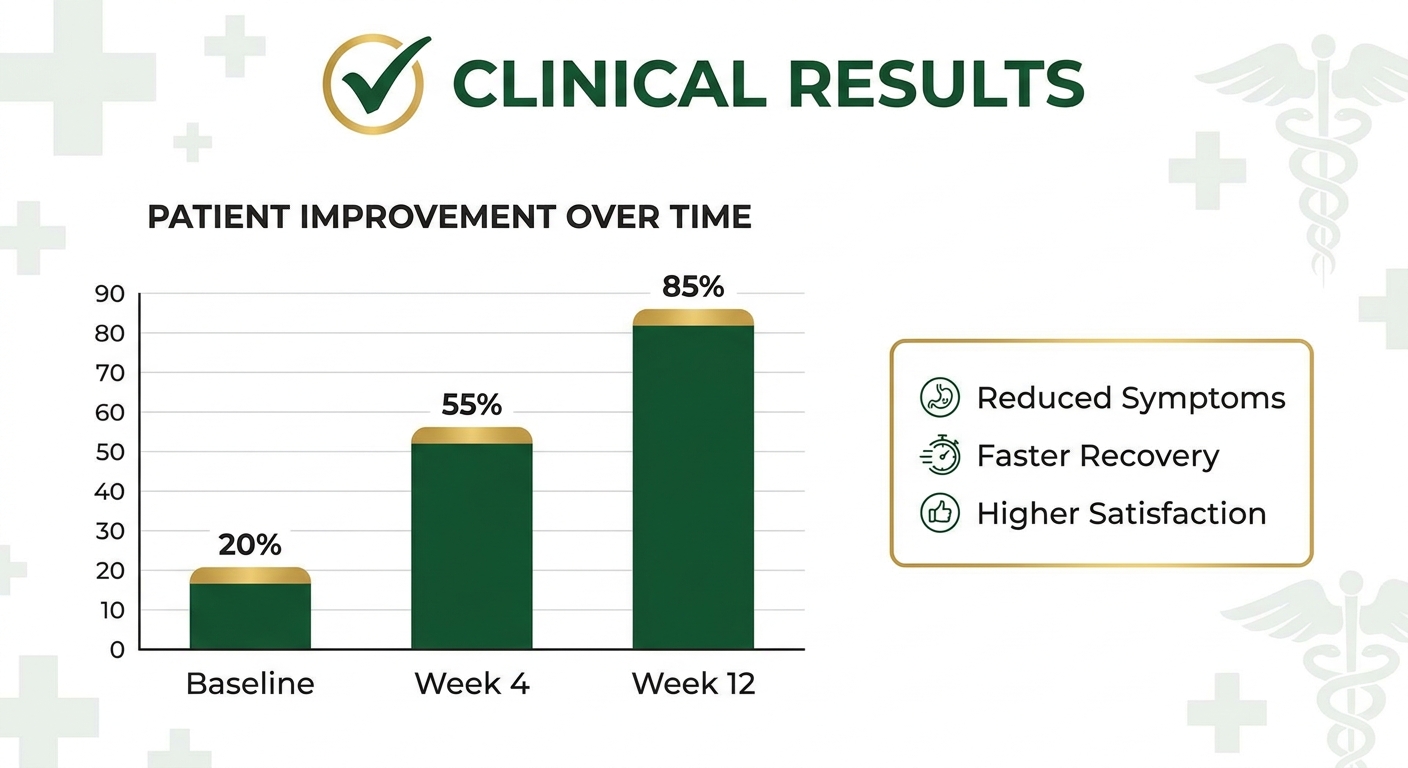
Blocks tyrosinase — the enzyme your skin uses to make melanin. In a Phase 3 trial (Kimbrough-Green 1994), melasma severity scores dropped significantly at 12 weeks.
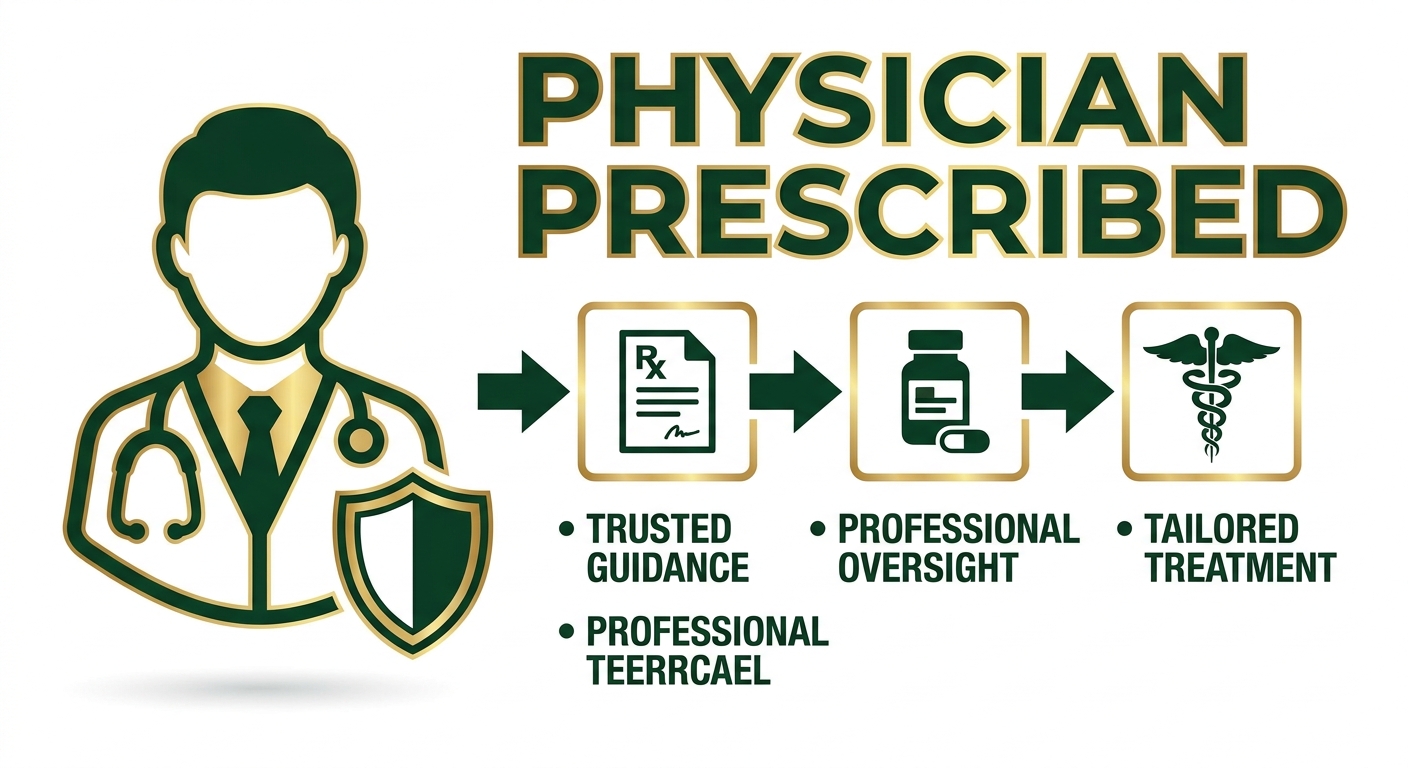
No office visit.
licensed physician reviews your history. If hydroquinone is appropriate, they write the script.
pharmacy. Apply a thin layer twice daily to the dark patches.
blocks the enzyme that makes pigment, instead of just exfoliating top layers
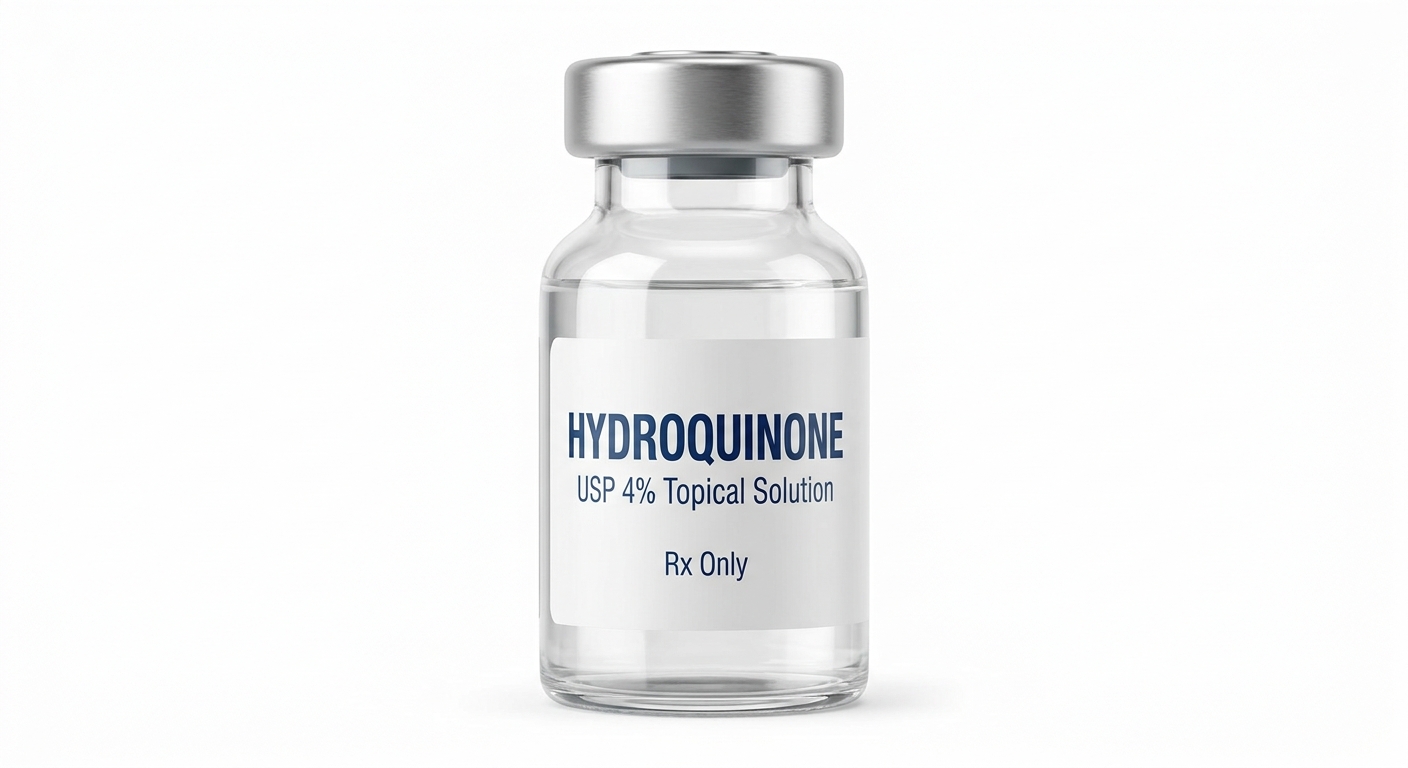
not the 2% you find OTC
No pharmacy line, no dermatology referral wait
Kimbrough-Green et al., Journal of the American Academy of Dermatology, 1994. Phase 3 trial in patients with melasma. Result: significant reduction in MASI (Melasma Area and Severity Index) scores at
Tyrosinase converts an amino acid (tyrosine) into melanin. Hydroquinone fits into that enzyme and shuts it down. New pigment can't be made in the treated area. The old pigment fades as your skin naturally turns over (about 4 to 8 weeks).
Important information about Hydroquinone safety and side effects.
No. The FDA pulled OTC 2% hydroquinone in 2020. Prescription hydroquinone is legal and standard dermatology care.
No. It only blocks pigment where you apply it. Apply to the patches, not the whole face.
3 to 4 months on, then a break. Long continuous use can cause ochronosis (a paradoxical darkening). Your physician sets the cycle.
Yes, daily. Sun re-triggers the melanin you're trying to stop. Skipping sunscreen wastes the prescription.
Mild irritation in the first 2 weeks is normal. If it stings or burns, message the care team and they'll adjust strength or frequency.
No. Stop before trying to conceive.
It blocks tyrosinase, the enzyme that makes melanin. No enzyme, no new pigment in the treated area. How long until I see results? Most patients see lightening at 4 to 8 weeks. The Phase 3 trial measured the biggest change at 12 weeks. Skip days and the timeline stretches. How do I apply it? Thin layer, twice a day, only on the dark patches. Wash hands after. Sunscreen every morning, no exceptions. What are the side effects? Most common: mild redness or stinging in the first 2 weeks. Rare with prolonged use: ochronosis (skin darkening) — this is why we cap treatment at 3 to 4 months. Can I stay on it forever? No. 3 to 4 months on, then off. Your physician will cycle you. Does it work on freckles, sunspots, or post-acne marks? The Phase 3 evidence is for melasma. It may help other hyperpigmentation, but that's not what the trial measured. Your physician will tell you if it fits your case. Why does this cost more than drugstore brightening cream? Drugstore creams use kojic acid, vitamin C, or niacinamide. They work above the skin. Hydroquinone shuts off the enzyme. Different mechanism, different result.
Real reviews from verified ArgoMD patients.
I've been using Hydroquinone for 3 months and the improvement in my skin is remarkable. My dermatologist is impressed with my progress.
After trying countless products, Hydroquinone from ArgoMD actually delivered results. The physician guidance on how to introduce it gradually was key.
My skin has never looked better. Hydroquinone paired with the protocol my ArgoMD doctor recommended has made a visible difference that friends notice.
Your health and safety are our top priorities.