
A prescription mTOR inhibitor applied to the scalp. In preclinical studies, topical rapamycin extended the anagen phase in mouse models (Chen 2019) and showed activity in human skin explants (Chung 2019). Controlled human RCT data is limited.
$1.3 per daily dose
Start the 4-minute medical intake — pay nothing until a physician approves youSubmit photos of your scalp and hairline.
board-certified physician reviews your intake within 24 hours and decides if topical rapamycin is appropriate. If not, you are not charged.
Apply once daily to the scalp. Message your care team anytime to adjust strength.
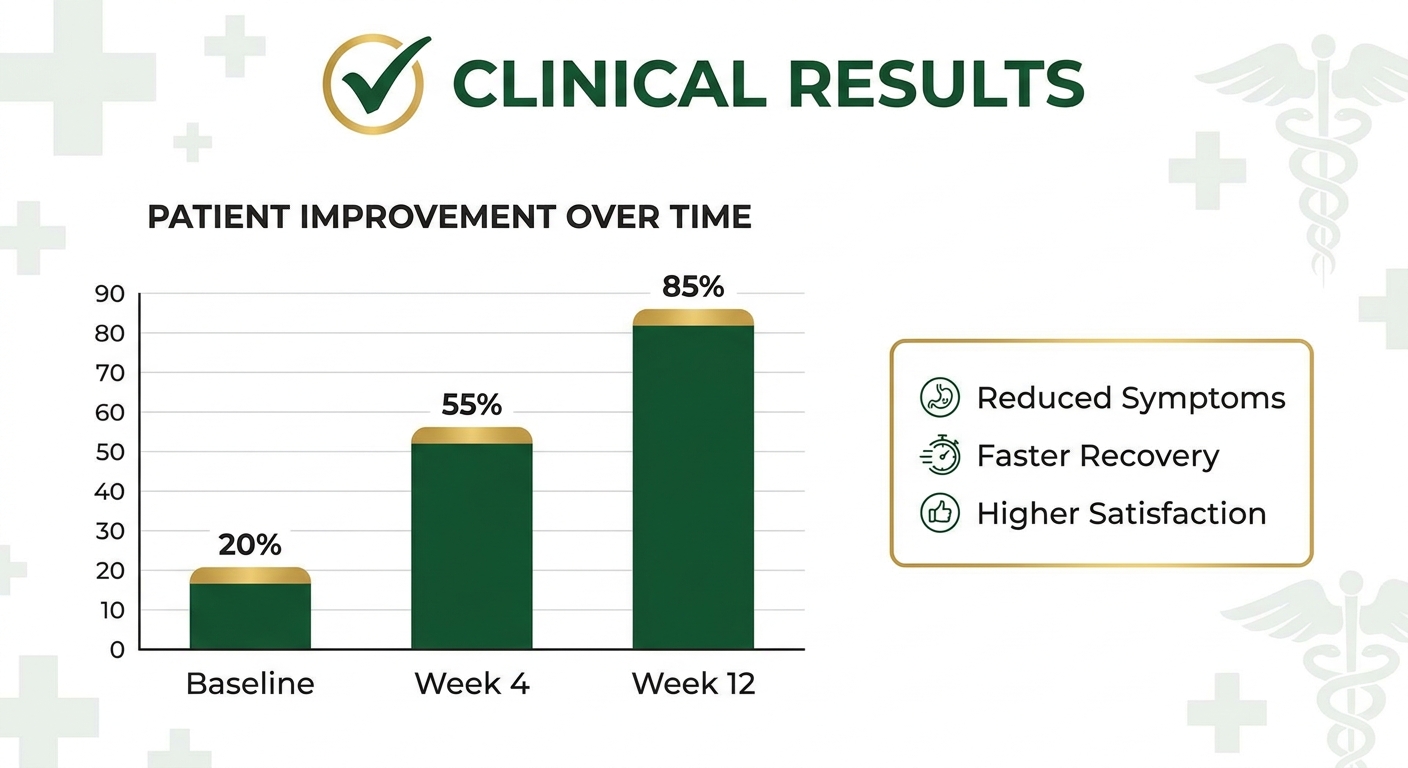
controlled human RCT data is limited (individual results vary)
not a research chemical, not imported gray-market rapamycin
No pills. No finasteride sexual side-effect profile.
Chen 2019 (preclinical) — rapamycin extended the anagen (growth) phase in mouse hair follicles by inhibiting mTORC1 in dermal papilla cells. Chung 2019 (human skin explants) — topical rapamycin showed
By dialing mTOR down at the scalp, the follicle stays in its growing phase longer instead of shifting into shedding mode. You're not feeding the hair — you're telling it not to quit early.
Important information about Topical Rapamycin (Hair) safety and side effects.
Oral rapamycin can be at transplant doses. Topical application delivers a fraction of that dose, and it stays mostly in the scalp. Your physician reviews your medical history before prescribing.
Some patients see brief shedding in weeks 4–8 as resting follicles cycle back into growth. It's expected. Your care team flags it before it happens.
No. Your prescription is compounded by a licensed U.S. 503A pharmacy under a physician's order. You'll receive pharmacy paperwork with every shipment.
30-day money-back guarantee on your first month. Cancel anytime after that — no contracts, no cancellation calls.
No. Many patients stack. Your physician will tell you what's compatible.
Some patients report reduced shedding within 8–12 weeks. Visible regrowth at 4–6 months. Most density gains land at the 6–12 month mark. If you're not seeing change by month 4, your physician adjusts the protocol. How do I apply it? Once a day, dry scalp, rub it in where you're thinning. Takes 30 seconds. Don't rinse for 4 hours. What are the side effects? Most common: scalp dryness, itching, mild redness. Usually fades after the first 2–4 weeks. Rare: contact dermatitis. Stop and message your care team if anything looks like a real reaction. Will this show up on bloodwork? Topical rapamycin produces very low systemic absorption in published data, but if you want labs run, your physician can order them. Can women use it? Yes, with physician approval. Not for use if pregnant, trying to conceive, or breastfeeding. What if my physician decides it's not right for me? You're not charged. We'll suggest alternatives if appropriate. Is this covered by insurance? No, but it's FSA/HSA eligible. We provide an itemized receipt.
Real reviews from verified ArgoMD patients.
6 months on Topical Rapamycin (Hair) and I can definitely see new growth coming in. The initial shedding was scary but the ArgoMD team prepared me for it. Worth the patience.
My hairline had been receding for years. After starting Topical Rapamycin (Hair), the recession has stopped and I'm seeing baby hairs filling in. Very pleased.
The combination protocol my ArgoMD physician recommended including Topical Rapamycin (Hair) has made a noticeable difference. My barber even commented on it.
Your health and safety are our top priorities.